

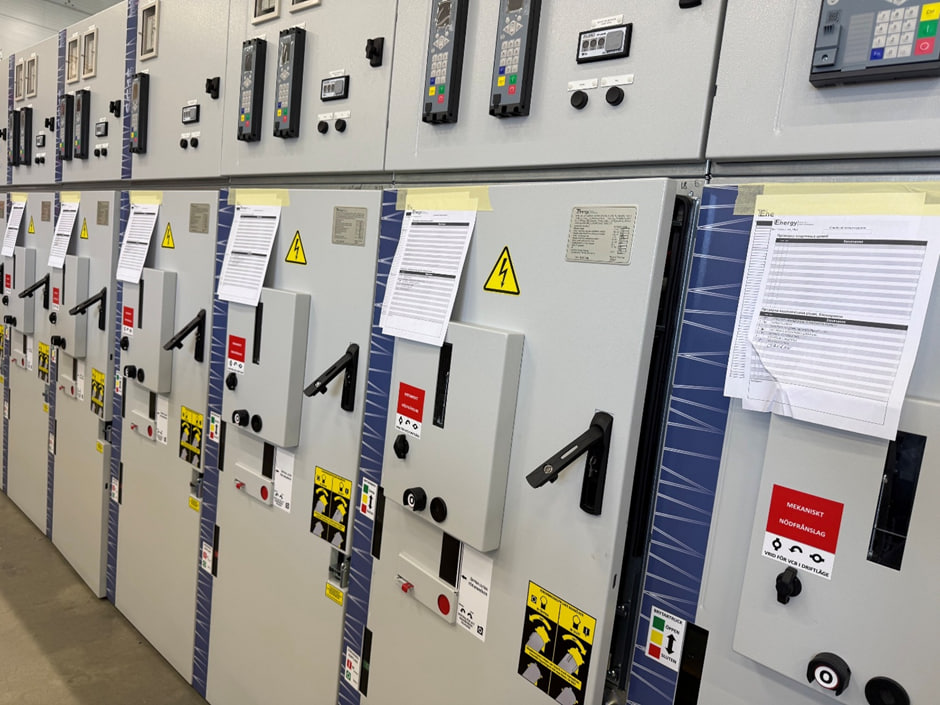
Air-insulated switchgear (AIS) has been a mainstay of electrical distribution for decades. Using atmospheric air as its primary insulating medium, it offers a proven combination of reliability, accessibility and cost-effectiveness for utilities and industrial operators.
Now, the market is entering a new period of growth. Persistence Market Research estimates the global AIS market at $74.5 billion in 2026 and forecasts it will reach $100.3 billion by 2033, representing a compound annual growth rate of 4.3%.
That growth is not simply about installing more of the same equipment. Advances in automation, digital monitoring and connected grid technology are changing what AIS can do, while environmental regulation and the evolving demands placed on electricity networks are strengthening its appeal.
Why does AIS remain attractive?
One of AIS’s longstanding advantages is simplicity. Because air provides the insulation, there is no requirement for specialist gas handling, pressure monitoring or the associated maintenance procedures required by some gas-insulated systems.
AIS can also offer a lower upfront cost than comparable gas-insulated switchgear (GIS), particularly at medium-voltage ratings, while components are generally accessible for inspection, testing and repair. Its modular nature gives operators flexibility to configure and expand systems as network requirements change.
Historically, one trade-off has been physical footprint. GIS became attractive where space was at a premium because it could deliver high performance in a compact enclosure. But AIS design has evolved considerably, helping narrow that gap.
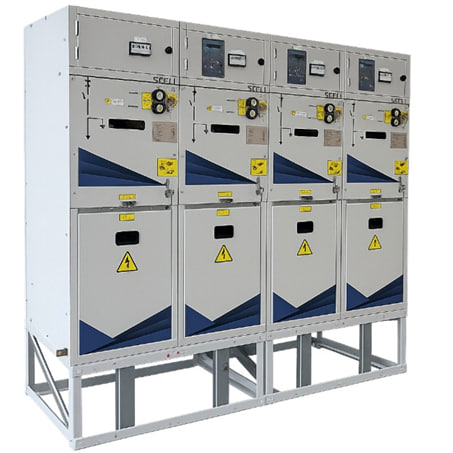
TE Energy’s SCELL, for example, is a compact, SF6-free air-insulated switchgear solution for primary and secondary distribution systems up to 24kV. Its compact architecture is designed to combine space efficiency with the safety, reliability and maintainability expected from modern medium-voltage equipment.
How is digitalisation changing AIS?
 Perhaps the biggest change is happening inside the switchgear.
Modern AIS can incorporate digital current and voltage sensors, intelligent electronic devices (IEDs), condition monitoring and communications capabilities, giving operators much greater visibility of network performance.
Rather than relying solely on scheduled inspections, operators can use the equipment’s data to identify abnormal conditions, support predictive maintenance and respond faster when faults occur. Remote operation can also reduce the need for manual intervention and help restore supply more quickly.
SCELL and MILE types reflect this shift. It can incorporate digital current and voltage sensors as well as temperature and partial-discharge sensors, while its IED provides protection, automation and communication functions. It is designed for integration with existing or new SCADA systems, supporting applications ranging from remote operation and fault location to wider grid automation.
These capabilities make AIS increasingly relevant to the development of smart grids and digital substations: familiar electrical principles combined with much more sophisticated intelligence.
Why is AIS demand increasing?
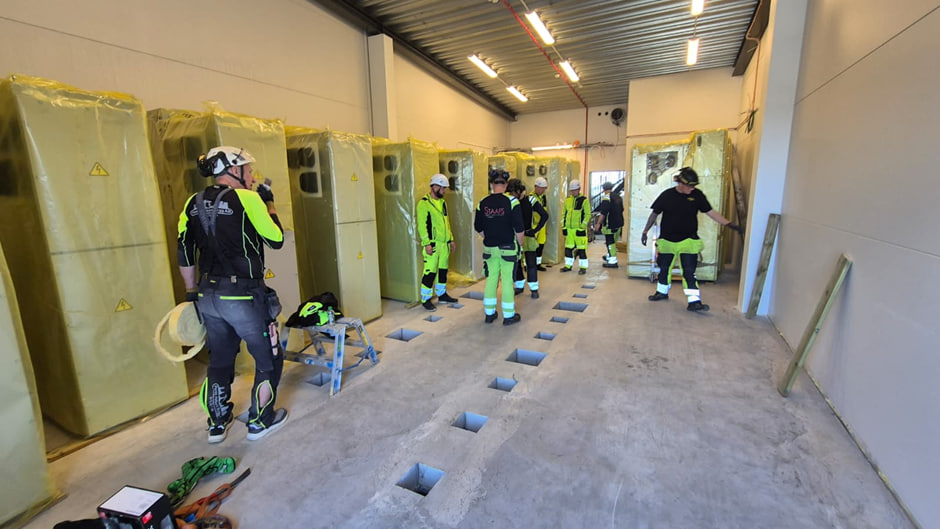
The pressure on electricity infrastructure is growing from several directions at once.
Renewable generation is creating a need for new substations and protection systems capable of managing increasingly complex and bidirectional power flows. Data centres and industrial electrification are adding substantial new loads. At the same time, utilities across mature markets are replacing ageing transmission and distribution assets, while emerging economies continue to invest in electrification and new infrastructure.
Mordor Intelligence expects industrial demand for AIS to grow particularly strongly, forecasting a 7.78% CAGR through 2031. For industrial operators, continuity of supply, maintainability and the ability to integrate monitoring and automation are increasingly important considerations.
Environmental regulation is another factor. Europe’s phased restrictions on fluorinated gases are accelerating the search for alternatives to traditional SF6-insulated equipment. Because AIS can use natural air rather than SF6 as its insulating medium, it offers a straightforward route to eliminating fluorinated insulation gases from many applications.
How are manufacturers responding?
For switchgear manufacturers, the challenge is no longer simply to supply reliable electrical equipment. Utilities, EPC contractors and industrial users increasingly need solutions that are compact, digitally enabled, adaptable and easier to integrate into both existing and new infrastructure.
That requires manufacturers to combine proven switchgear engineering with automation, sensing and flexible system design. It also means recognising that different customers and projects require different configurations rather than a one-size-fits-all approach.
At TE Energy, our approach combines compact SF6-free AIS technology with digital capabilities and engineering expertise for both new-build and retrofit projects. SCELL is designed as a configurable building block, allowing it to support different network architectures and functionality while providing digital readiness from the outset.
AIS may be a long-established technology, but it is far from standing still. As electricity networks expand, digitalise and decarbonise, its combination of proven performance and new capabilities means air-insulated switchgear is well placed to play an important role in the next generation of electrical infrastructure.