


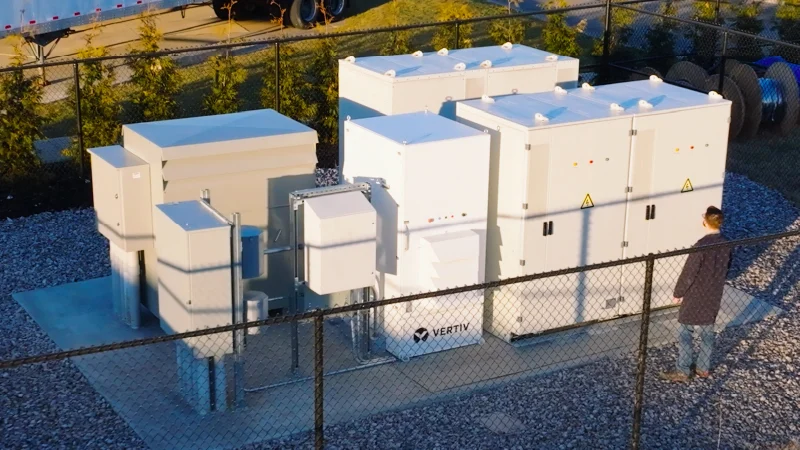
Battery energy storage systems (BESS) have become a key component of modern electricity networks, helping utilities, grid operators and renewable energy developers balance supply and demand while supporting the transition to a lower-carbon energy system. They also play an important role in short-term operating reserve (STOR) schemes, providing rapid-response power during periods of peak demand or unexpected outages.
As renewable generation continues to increase, battery storage is helping electricity networks manage fluctuations in supply, improve resilience and maintain grid stability. However, while BESS offers significant operational and environmental benefits, challenges relating to safety, cost and lifecycle management remain important considerations.
As deployment accelerates, understanding how to balance the benefits of BESS with the operational and safety requirements of large-scale energy storage is becoming increasingly important.
What are the benefits of BESS?
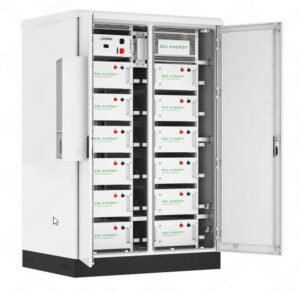
BESS delivers a range of benefits for utilities, grid operators and renewable energy developers.
One of the most significant advantages is improved grid stability. Battery storage can respond within milliseconds to frequency fluctuations and sudden changes in demand, helping operators maintain a stable and reliable electricity supply.
BESS also strengthens energy security and network resilience. During periods of peak demand or unexpected generation outages, stored energy can be rapidly deployed to support the grid and reduce the risk of disruption.
The technology is equally important for integrating renewable energy sources. Solar and wind generation do not always align with demand patterns, but battery storage allows excess renewable energy to be captured and used when required. This helps maximise the value of renewable assets while supporting wider decarbonisation objectives.
In addition, BESS reduces reliance on fossil-fuel peaking generation by providing a flexible source of stored energy that can be deployed whenever network conditions require additional support.
What are the challenges to large-scale adoption of BESS?

Despite its many benefits, several challenges continue to influence the deployment of large-scale battery storage projects.
Upfront investment costs can be significant. Although battery prices have fallen in recent years, large-scale projects still require substantial capital expenditure, particularly when supporting infrastructure and grid connection requirements are included.
Battery lifespan and lifecycle management present additional challenges. Over time, repeated charging and discharging degrade batteries, reducing storage capacity and efficiency. Operators must therefore consider maintenance requirements, replacement strategies and long-term asset performance.
There are also environmental considerations associated with battery manufacturing, recycling and end-of-life management. As deployment accelerates, the industry continues to develop more effective recycling processes and sustainable approaches to recovering valuable battery materials.
Above all, safety remains one of the most frequently discussed concerns. While modern battery technologies incorporate increasingly sophisticated protection systems, the risk of thermal runaway and fire cannot be entirely eliminated. As a result, BESS installations require robust electrical protection, continuous monitoring and carefully designed safety measures.
What part does switchgear play in ensuring BESS safety?
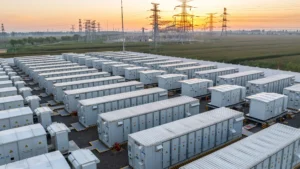
Switchgear is a critical component within any BESS installation, providing the control, protection and isolation functions required to maintain safe and reliable operation.
At its most fundamental level, switchgear protects battery storage systems from electrical faults such as overloads, short circuits and abnormal operating conditions. By rapidly detecting and isolating faults, it helps prevent equipment damage and reduces the risk of wider system failures.
Switchgear also enables operators to safely disconnect specific sections of a BESS during maintenance or inspection activities without disrupting the entire installation. This capability is particularly valuable for large-scale storage facilities where minimising downtime is essential.
Modern switchgear solutions increasingly incorporate advanced monitoring and control capabilities. By integrating with battery management systems and wider network infrastructure, switchgear can provide real-time visibility of system performance, support predictive maintenance programmes and improve operational efficiency.
For STOR and grid-support applications, reliable switchgear is essential to ensuring battery assets remain available when needed. Safe connection, rapid fault isolation and effective system protection all contribute to the dependable performance required by utilities and grid operators.
At TE Energy, we provide tailored switchgear and substation solutions for BESS, STOR and generation projects, supporting customers across the UK, Sweden, Estonia, Poland, Bulgaria and, most recently, Denmark. Our services include design, supply, installation, commissioning and training, helping clients deliver safe, reliable and efficient energy infrastructure that supports both grid stability and renewable energy integration.
As battery storage continues to play a larger role in modern electricity networks, balancing performance, reliability and safety will remain a key priority. While challenges such as cost, lifecycle management and safety considerations must be addressed, advances in technology and protection systems are helping to unlock the full potential of BESS. With the right infrastructure in place, battery storage can continue to support a more resilient, flexible and sustainable energy future.
Planning a BESS or STOR project?
Find out how TE Energy’s switchgear and substation solutions support safe, reliable grid integration.