


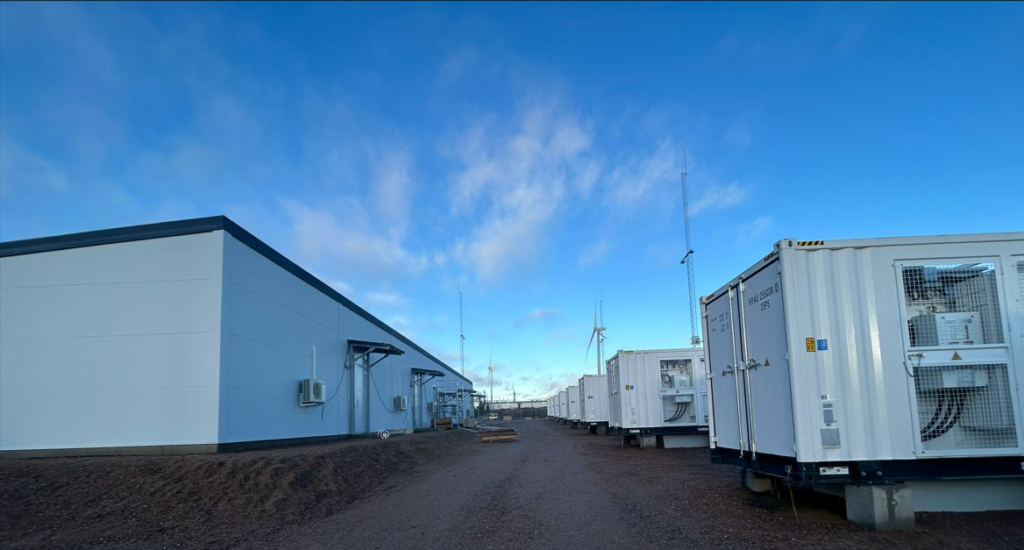
 As electricity systems transition towards lower-carbon generation, maintaining a stable and reliable power supply is becoming increasingly complex. Renewable sources such as wind and solar are essential to achieving net zero, but their output is inherently variable, creating new challenges for the transmission and distribution network operators responsible for balancing electricity supply and demand.
For many years, Short-Term Operating Reserve (STOR) schemes have helped maintain this balance by providing additional power during periods of unexpected demand or generation shortfalls. While reserve services continue to evolve, the need for flexible reserve capacity remains fundamental to reliable grid operation across Europe.
Alongside technologies such as battery energy storage systems (BESS), modern reserve schemes depend on resilient electrical infrastructure. High-performance switchgear enables generation and storage assets to connect safely, respond quickly and operate reliably whenever the grid requires additional flexibility.
Why are reserve services essential for modern power systems?
Alternating current (AC) power systems depend on generation and demand remaining closely matched at all times. Even small imbalances cause the system frequency to deviate from its nominal level, creating risks for generation assets, network equipment and electricity consumers.
Reserve services provide additional active power – or reduce demand – when unexpected events occur, helping transmission system operators restore frequency and maintain secure network operation. Historically, STOR schemes have fulfilled part of this role in several European markets by enabling flexible generators and large electricity users to respond within defined timeframes.
Today, reserve markets continue to evolve as more renewable generation connects to the grid. In the UK, STOR was replaced in March 2026 by Slow Reserve, while other European countries are adapting their own balancing mechanisms to support a broader mix of generation, battery storage and flexible demand.
Although market structures differ, the objective remains the same: maintaining grid stability while enabling the transition to lower-carbon electricity systems.
How are renewable energy sources changing grid balancing?
 Traditional electricity systems relied heavily on large, predictable power stations that could adjust their output as demand changed throughout the day. Today’s electricity mix is very different.
Wind and solar generation are increasing rapidly, but unlike conventional power stations, they cannot simply generate more electricity whenever it is required. Their output depends on weather conditions, creating greater variability across the network.
This makes balancing supply and demand significantly more complex. Grid operators must manage fluctuating renewable generation while maintaining the stability that consumers expect. For utilities and EPC contractors, this means designing substations and electrical infrastructure that can accommodate more frequent switching operations, increased digital monitoring and a growing number of distributed energy resources without compromising network reliability.
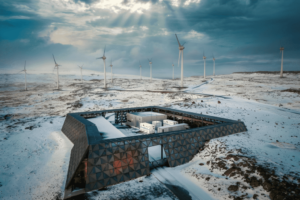
BESS have become an increasingly important part of the solution. By storing surplus renewable energy and releasing it when required, these systems can respond quickly to changing grid conditions, helping improve resilience and maximise the value of renewable generation.
Reserve services continue to play an equally important role by ensuring additional capacity is available whenever unexpected events occur. Together, flexible reserve services and energy storage provide the operational flexibility needed to support a cleaner electricity system without compromising reliability.
Why is switchgear critical for reserve and energy storage projects?
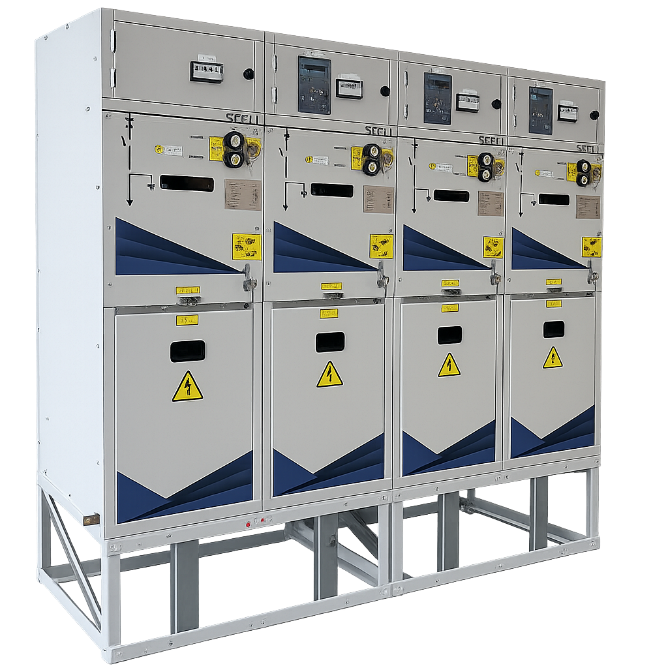
 For utilities, independent power producers and EPC contractors delivering reserve generation or battery storage projects, switchgear forms the critical interface between energy assets and the wider network. It must provide dependable protection, fast switching performance and long-term reliability while meeting increasingly demanding operational and environmental requirements.
TE Energy designs and manufactures medium-voltage switchgear specifically for these applications. Our SF₆-free solutions support customers’ sustainability objectives while delivering the performance required for modern reserve and renewable energy projects. Vacuum circuit breakers capable of up to 50,000 maintenance-free operating cycles, fast transfer technology and advanced protective relays help ensure reliable operation under frequent switching conditions.
To ensure safe operation and seamless integration into modern electricity networks, we also supply microprocessor-based protective relays tailored to individual project requirements. Working with recognised manufacturers including ABB, Arcteq, Fanox, Schneider Electric and Siemens, we deliver protection, monitoring and communication solutions compatible with today’s smart grid environments.
TE Energy has successfully delivered switchgear solutions for STOR and reserve generation projects across the UK, Sweden, Portugal, Poland, Estonia, Denmark and Bulgaria, alongside an expanding portfolio of battery energy storage projects. Working with electrical utilities, network operators and EPC contractors, we provide a complete service covering design, manufacture, supply, installation and commissioning, helping customers deliver resilient infrastructure that supports both today’s grid requirements and tomorrow’s energy transition.
As renewable generation continues to expand, maintaining grid stability will depend on a combination of flexible reserve services, advanced energy storage and resilient electrical infrastructure. While the technologies that support balancing services may continue to evolve, the need for reliable, intelligent switchgear will remain fundamental to delivering a secure, sustainable electricity system.