


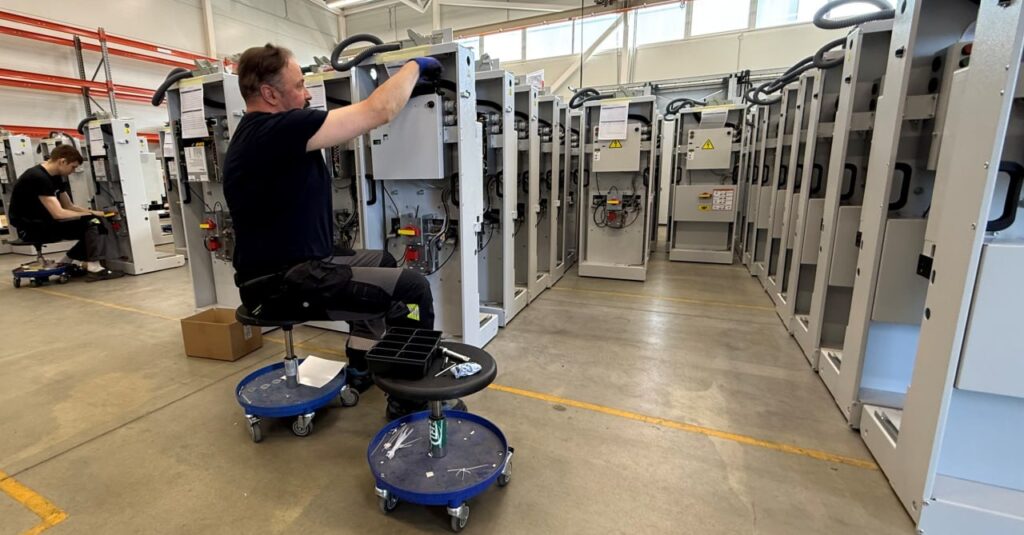
Medium-voltage switchgear typically has a service life of 20 to 30 years, depending on its operating environment and maintenance regime. As assets age, operators may begin to encounter increasing maintenance requirements, reduced insulation performance, nuisance tripping and difficulties sourcing replacement parts as equipment becomes obsolete.
Ageing infrastructure can lead to declining reliability, compliance risks and unplanned downtime. However, replacing switchgear systems that have reached the end of their intended service life is not always the most practical solution. Complete replacement projects can involve significant capital expenditure, lengthy outages and substantial disruption to ongoing operations.
For many utilities, industrial facilities and infrastructure operators, retrofitting offers a viable alternative. By upgrading key components while retaining structurally sound elements of the original installation, organisations can extend asset life, improve reliability and maintain compliance without the cost and disruption associated with full system renewal.
Why retrofit instead of replace ?
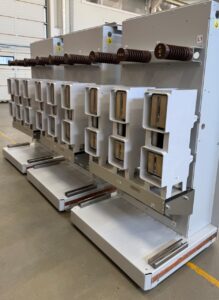 Replacing an entire switchgear panel is a significant undertaking and, in many cases, not strictly necessary. When ageing or obsolete components begin to affect reliability and performance, retrofitting can provide a practical and cost-effective route to modernisation.
Reusing robust structural components while upgrading breakers, protection relays and associated equipment can restore switchgear systems to full operational capability and significantly extend their service life. Compared with installing a completely new system, retrofitting can reduce project costs by around 50% while providing up to 30 years of additional service life following commissioning.
The operational benefits can be equally compelling. A minimum retrofit project can often be completed within a single day, whereas a full replacement may require several weeks between shutdown and re-energisation. For critical facilities such as hospitals, emergency services infrastructure and industrial production sites, minimising downtime is often just as important as reducing capital expenditure.
In addition, modern protection and control technologies can improve system performance, reliability and compliance, helping operators meet current operational requirements without replacing infrastructure that remains structurally sound.
What are the environmental benefits of switchgear retrofitting?
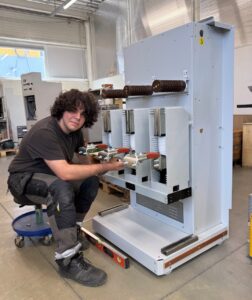 Sustainability is becoming an increasingly important consideration in asset management decisions. Extending the life of existing infrastructure through retrofitting supports a more circular approach to equipment management, reducing waste and maximising the value of existing assets.
By retaining switchgear enclosures and other structural components that remain in good condition, operators can significantly reduce the volume of material requiring disposal and recycling. Retrofitting also reduces demand for new equipment manufacturing, helping to avoid the emissions associated with energy-intensive production processes such as steel fabrication.
The environmental case becomes even stronger when older technologies are involved. The recognition of SF6 as a potent greenhouse gas, together with increasingly stringent regulations governing its use, has encouraged many operators to explore alternative technologies. Retrofitting can provide a practical route to modernising ageing installations by replacing outdated equipment with vacuum circuit breaker (VCB) technology while retaining existing structural elements.
In addition to reducing manufacturing-related emissions, this approach can help mitigate the long-term environmental risks associated with ageing SF6-based equipment. For organisations seeking to improve the sustainability of their electrical infrastructure, retrofitting can therefore deliver environmental benefits alongside operational and financial advantages.
When is retrofitting switchgear the right choice?
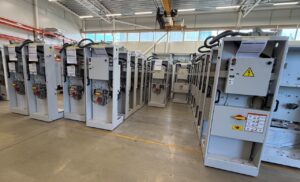
Retrofitting can deliver significant cost, operational and environmental benefits, but it is not suitable for every application. Before embarking on a retrofit project, operators should carefully assess the condition of the existing installation and the site’s long-term requirements.
The structural integrity of the switchgear is a critical consideration. Components such as busbars, enclosures and supporting structures must remain in good condition if they are to provide a reliable foundation for upgraded equipment. Where significant corrosion, mechanical damage or structural degradation is present, complete replacement may offer better long-term value.
Future operational requirements must also be considered. Retrofitting can restore performance and improve reliability, but it cannot increase the fundamental capacity of an existing system. Where facilities require significant load growth or major network changes, a new switchgear installation may be the more appropriate solution.
Other factors, including compliance requirements, equipment obsolescence, spare parts availability and project timescales, should also form part of the decision-making process. Working with an experienced retrofit specialist can help organisations evaluate the available options and identify the most cost-effective approach.
At TE Energy, we have delivered more than 180 retrofit projects worldwide across fixed and withdrawable switchgear systems. Unlike many retrofit providers that focus solely on their own legacy equipment, we develop solutions for a wide range of switchgear brands, helping customers overcome obsolescence challenges without requiring complete system replacement.
Our turnkey services cover everything from site inspection and design through to testing, installation and commissioning, helping customers minimise costs, lead times and operational disruption while extending asset life. Projects managed by TE Energy can also benefit from extended warranties of up to 10 years.
Planning a switchgear upgrade?
Discover how TE Energy’s retrofit solutions can extend asset life while reducing costs and downtime on our Services page.